
Video Analysis In Collision Reconstruction
This online course details the methodology for calculating vehicle speed from video footage. Ideally suited to video analysts who routinely calculate vehicle speeds and positions from video footage.
This online course details the methodology for calculating vehicle speed from video footage. Ideally suited to video analysts who routinely calculate vehicle speeds and positions from video footage.
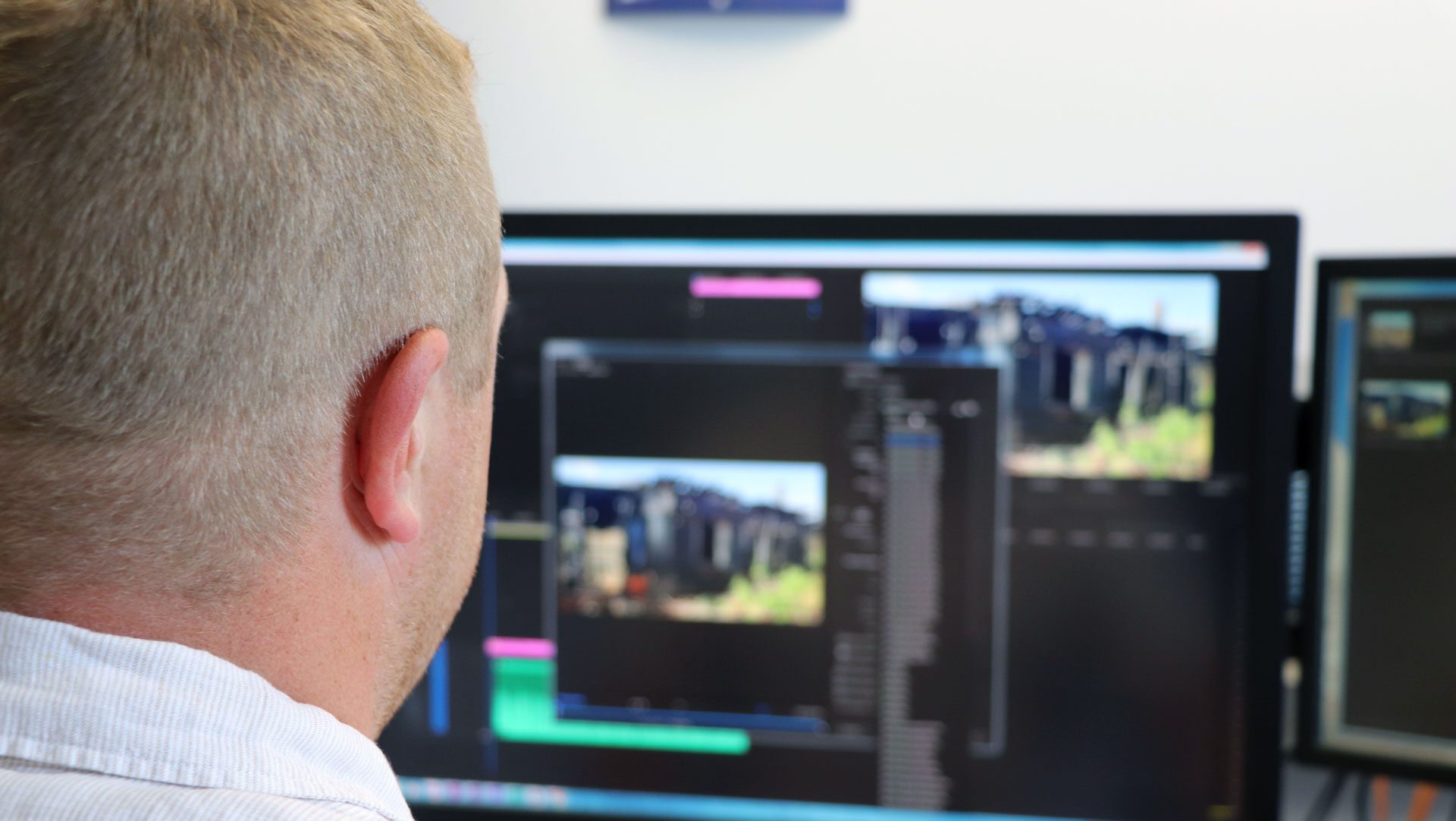
A five-day hands-on class where you can learn how to use Premiere Pro, one of the world’s most popular and robust non-linear editing (NLE) systems, in a forensic media environment. Premiere Pro is not only used as a tool in forensic media processing but also for creative case derivatives and demonstrative samples within ongoing investigations or courtroom proceedings.
Students will gain a basic understanding of digital and cloud-based recording systems law enforcement officers, agents of the government, or private sector investigators are likely to encounter. Provide skills to recover the video in a sound manner and make use of the video they recover. The class will also make the student aware of concerns in digital video, sources of information/knowledge, and further training.
The increased use of digital video systems by the general public has made digital multimedia evidence (DME) a significant and integral part of modern criminal and civil investigations. Since there is no standard video recording system in use, the need for trained individuals who know how to properly recover this type of evidence has increased. Properly acquiring DME is crucial, as all other processes or use of the video is impacted by accuracy of the recovery. This course introduces and provides a fundamental understanding of DME, introduces the types of systems likely to be encountered, discusses legal issues related to DME, and focuses on the proper recovery of DME.
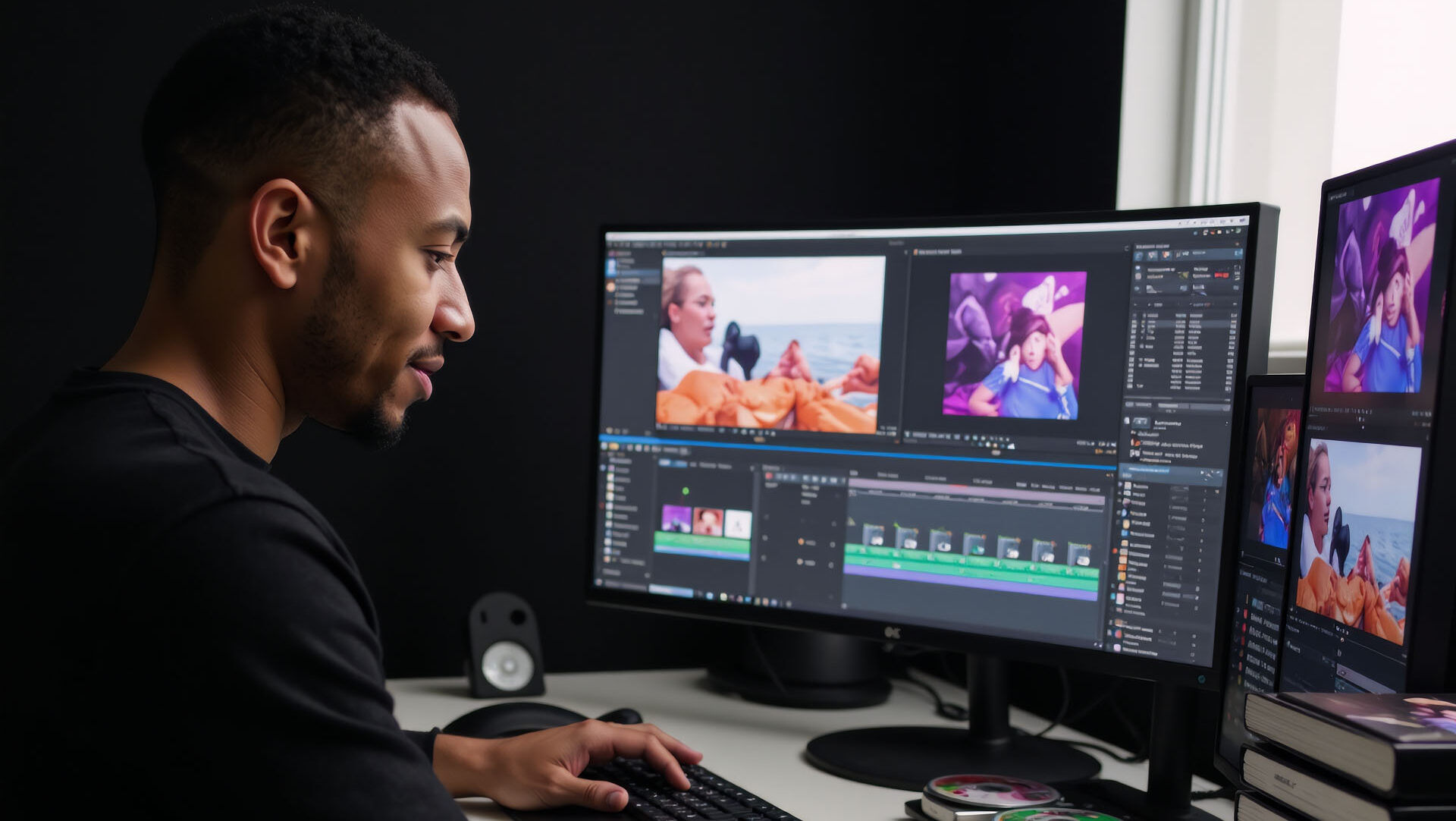
This is a five-day Intermediate to Advanced course in Adobe Premiere Pro for forensic media applications. Throughout the course, you will learn and practice advanced techniques on stand-alone cases while all the while building a courtroom demonstrative presentation that incorporates all that you’ll learn throughout the week. Prior experience working with digital media evidence is also beneficial.
The examination process and workflow learned in this course will provide attendees with advanced examination skills and a greater understanding of the embedded metadata within video evidence files (at the frame level). Using this information to produce accurate observations or calculations based on the file’s header information will result in a more thorough report and/or presentation and is also relevant information that can be provided to other experts who are untrained in video examination yet rely on video evidence in their field of expertise (i.e., accident reconstruction, use-of-force experts, biomechanical experts, etc.).
The increased use of digital video systems by the general public has made digital multimedia evidence (DME) a significant and integral part of modern criminal and civil investigations. Since there is no standard video recording system in use, the need for trained individuals who know how to properly recover this type of evidence has increased. Properly acquiring DME is crucial, as all other processes or use of the video is impacted by accuracy of the recovery. This course introduces and provides a fundamental understanding of DME, introduces the types of systems likely to be encountered, discusses legal issues related to DME, and focuses on the proper recovery of DME.
This online course explores the science behind forensic video analysis and demonstrates how the scientific method is applied within the field. Students will engage in comparative analysis, examining images and videos of unknown objects alongside reference materials to identify distinguishing characteristics. Through a series of practical exercises, participants will follow a structured scientific workflow, gaining hands-on experience in the analysis of image and video evidence. The course also emphasizes the development of clear, accurate scientific analytical reports, preparing participants to communicate their findings confidently in professional and legal settings.

Adobe Photoshop has become one of the most-used imaging tools in law enforcement for tasks from printing crime scene photos to latent print enhancement and forensic video analysis. It is important that law enforcement agencies utilize this tool using valid forensic procedures, maintaining the integrity of visual evidence.
June 1-3, 2026: Online Course Overview: This three-day seminar is designed for expert witnesses or expert witnesses in training in any field of expertise. Even though this event is being sponsored by LEVA, it is not limited to forensic video analysis. more info… Location: Online Time: Monday – Wednesday, 0800-1630 (MT). LEVA Policies: Tuition payment […]