
Video Analysis In Collision Reconstruction
This online course details the methodology for calculating vehicle speed from video footage. Ideally suited for video analysts who routinely calculate vehicle speeds and positions from video footage.
This online course details the methodology for calculating vehicle speed from video footage. Ideally suited for video analysts who routinely calculate vehicle speeds and positions from video footage.

Students will have the opportunity to attend 40 hours of valuable forensic video training by attending the entire symposium. The training hours earned in class can be used towards the continuing education requirements of their certification(s).
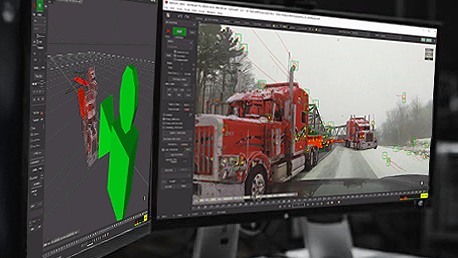
Photogrammetry involves extracting measurements from photos, aiding video analysis in object positioning, height, speed, and use-of-force cases. This course covers PhotoModeler and SynthEyes for tracking cameras, introduces photogrammetry fundamentals, and prepares students to defend their analyses.
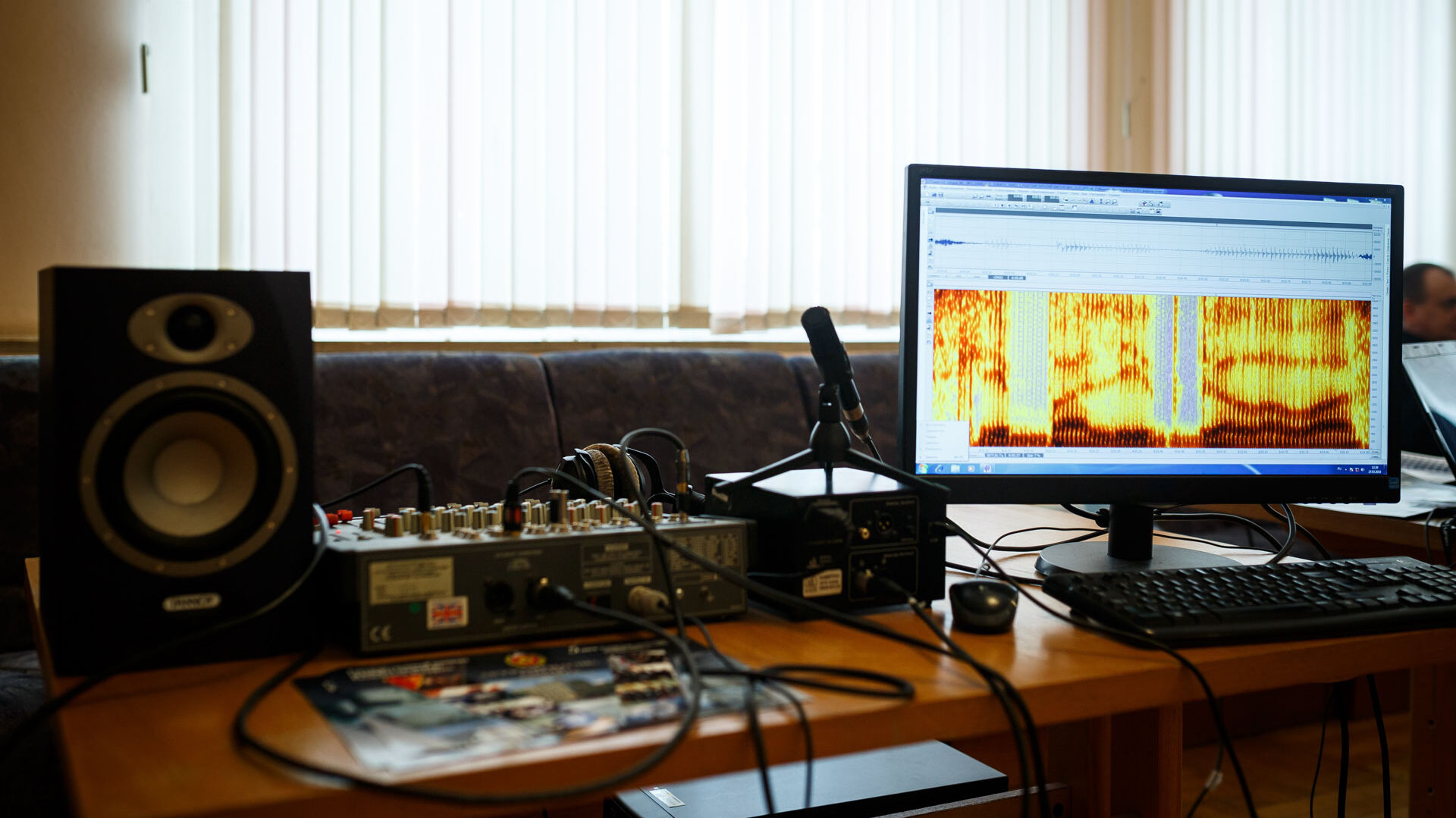
Students will learn how to improve audio recording issues with currently available software tools, including an in depth review of the iZotope RX software features and processes. Attendees will also receive information on forensic audio reference resources.
The examination process and workflow learned in this course will provide attendees with advanced examination skills and a greater understanding of the embedded metadata within video evidence files (at the frame level). Using this information to produce accurate observations or calculations based on the file’s header information will result in a more thorough report and/or presentation and is also relevant information that can be provided to other experts who are untrained in video examination yet rely on video evidence in their field of expertise (i.e., accident reconstruction, use-of-force experts, biomechanical experts, etc.).
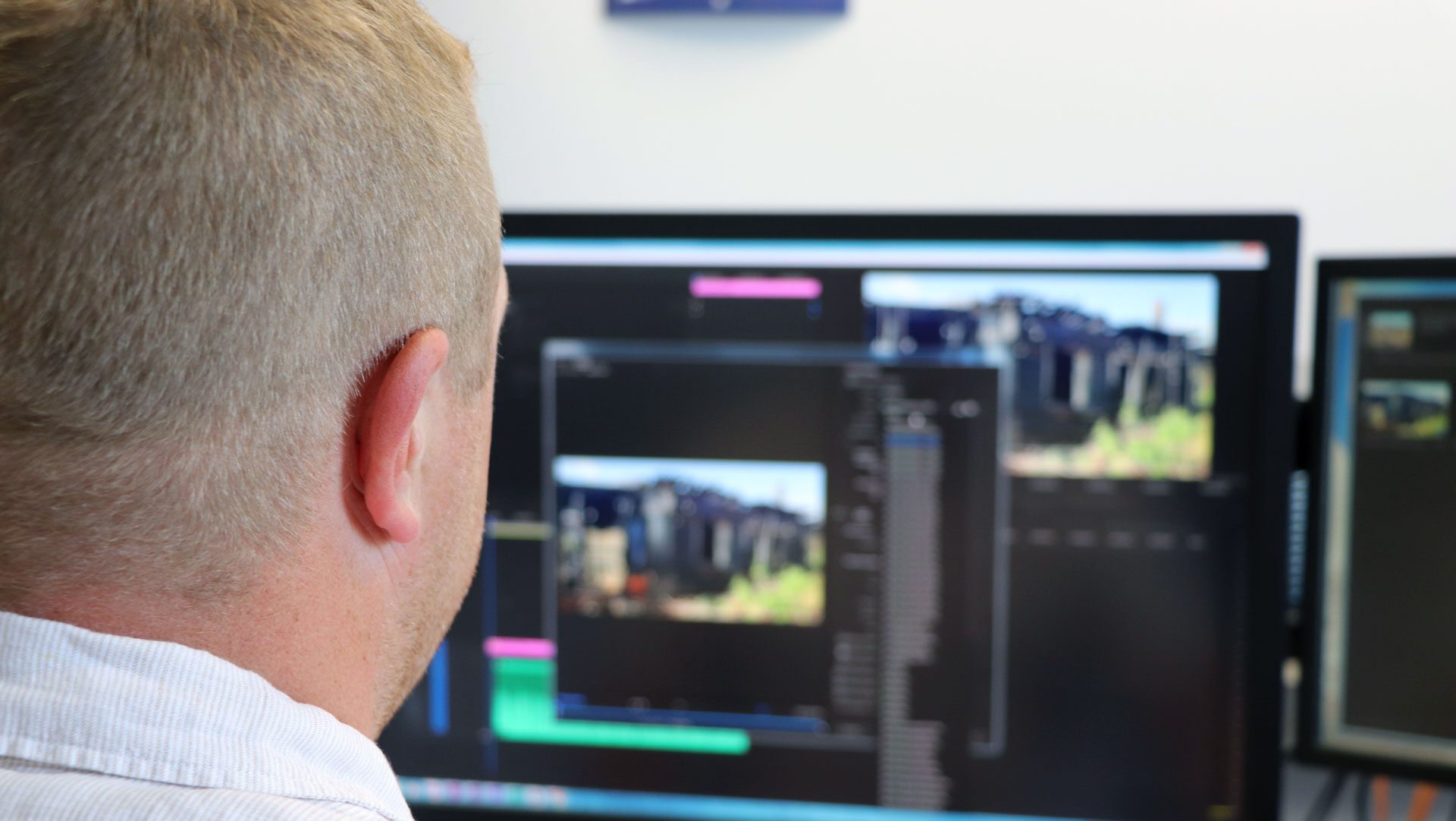
A five-day hands-on class where you can learn how to use Premiere Pro, one of the world’s most popular and robust non-linear editing (NLE) systems, in a forensic media environment. Premiere Pro is not only used as a tool in forensic media processing but also for creative case derivatives and demonstrative samples within ongoing investigations or courtroom proceedings.
The public expectation today is that if a crime occurs, there will be video/audio of the incident. There is a significant, specific skill set that investigators need to properly handle and process the digital multimedia evidence that gets collected. If the DME is not handled and processed carefully, according to best practices, the video/audio might not be interpreted accurately. This course exposes students to more advanced theory and hands-on techniques that conform to the Best Practices for the Acquisition and Processing of Digital Multimedia Evidence (DME).
The Image and Video Authentication-200 Course is a 2-day intermediate course designed to give forensic video investigators, technicians, and analysts a foundational understanding of image/video authentication and enable them to perform basic authentication examinations of image and video evidence. Students will gain foundational knowledge of signal processing and digital data analysis necessary to effectively analyze images and videos to determine authenticity.
The increased use of digital video systems by the general public has made digital multimedia evidence (DME) a significant and integral part of modern criminal and civil investigations. Since there is no standard video recording system in use, the need for trained individuals who know how to properly recover this type of evidence has increased. Properly acquiring DME is crucial, as all other processes or use of the video is impacted by accuracy of the recovery. This course introduces and provides a fundamental understanding of DME, introduces the types of systems likely to be encountered, discusses legal issues related to DME, and focuses on the proper recovery of DME.
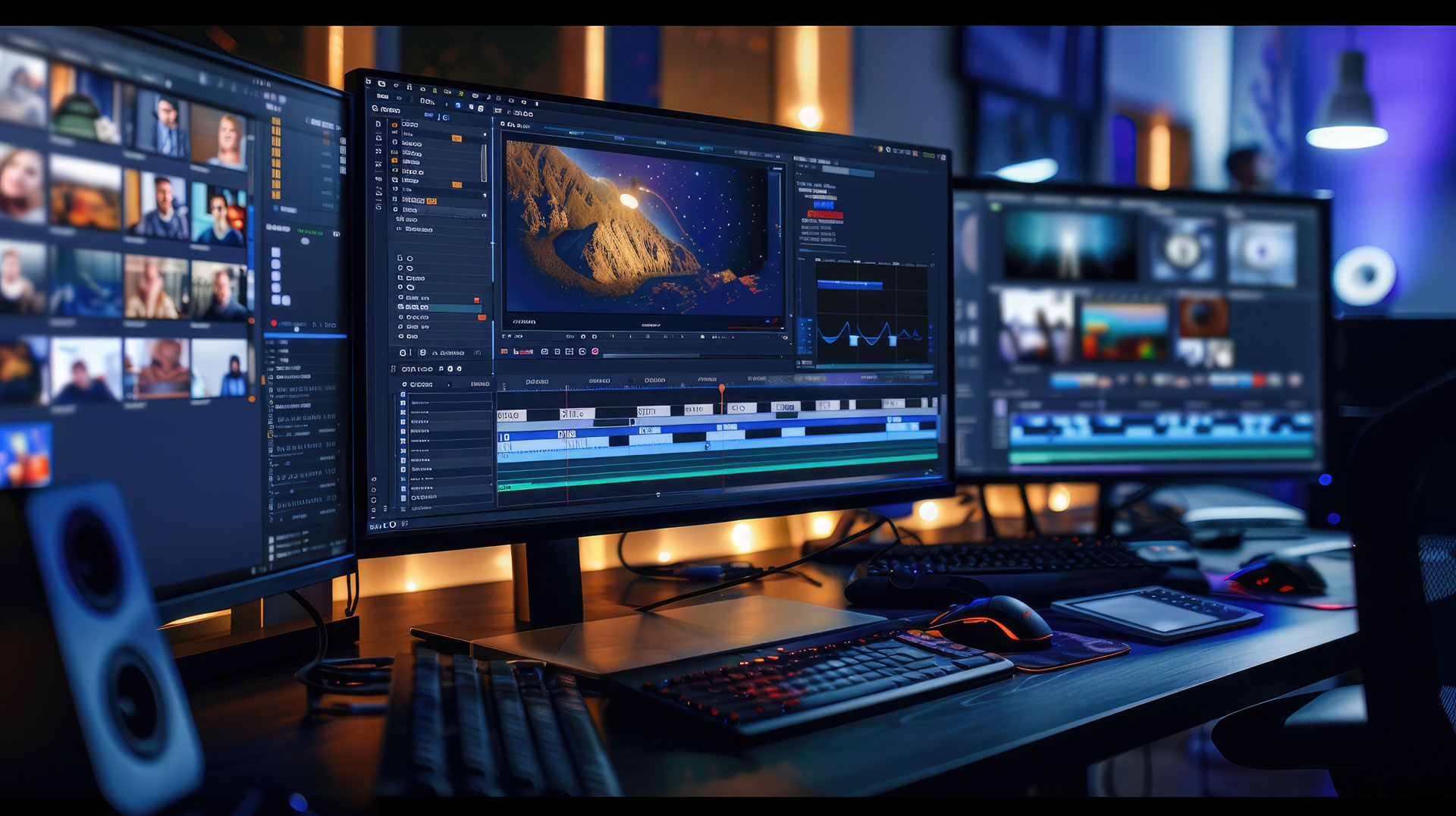
This workshop trains legal and forensic professionals to create geospatial demonstrative videos using Premiere Pro, with support from After Effects, Illustrator, and more. Through a case study, participants learn to turn complex evidence into clear visual narratives, from project kickoff to final delivery. Designed for those skilled in Premiere Pro, it also offers new techniques and confidence-building for experienced creators of demonstratives.