Latest News
LEVA Scholarships
Apr 07, 2026
Great news! LEVA class scholarships are back for members working in government and non‑profit organizations. Please see the Scholarship Policy for more details and the application.
2026 Training Symposium – Call for Presentations
Nov 06, 2025
October 26-30, 2026: Tampa, FL LEVA 2026 Symposium – Call for Presentations
LEVA Online Store
Apr 18, 2025
The LEVA Online Store is LIVE! Most orders will take 2-3 weeks for delivery. https://leva.buyproforma.com
LEVA — Globally recognized training and certification in the science of forensic video analysis
Join TodayUpcoming Events and Training
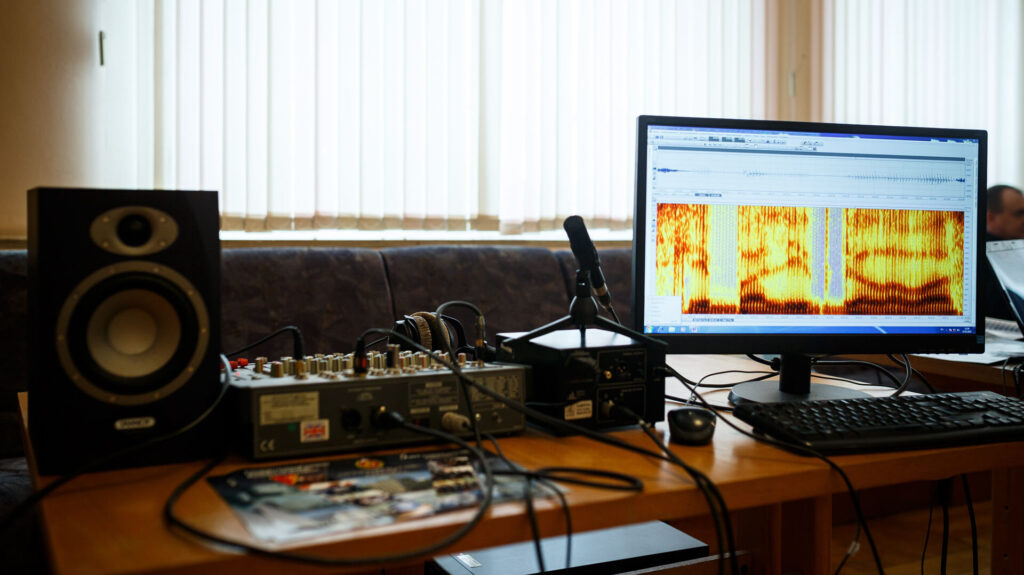
Forensic Audio Fundamentals
Students will learn how to improve audio recording issues with currently available software tools, including an in depth review of the iZotope RX software features and processes. Attendees will also receive information on forensic audio reference resources.
Advanced Forensic Video Interrogations: An In-Depth Examination of Video Analysis Processes
The examination process and workflow learned in this course will provide attendees with advanced examination skills and a greater understanding of the embedded metadata within video evidence files (at the frame level). Using this information to produce accurate observations or calculations based on the file’s header information will result in a more thorough report and/or presentation and is also relevant information that can be provided to other experts who are untrained in video examination yet rely on video evidence in their field of expertise (i.e., accident reconstruction, use-of-force experts, biomechanical experts, etc.).
Level 2: Digital Multimedia Evidence Processing
The public expectation today is that if a crime occurs, there will be video/audio of the incident. There is a significant, specific skill set that investigators need to properly handle and process the digital multimedia evidence that gets collected. If the DME is not handled and processed carefully, according to best practices, the video/audio might not be interpreted accurately. This course exposes students to more advanced theory and hands-on techniques that conform to the Best Practices for the Acquisition and Processing of Digital Multimedia Evidence (DME).
Level 2: Digital Multimedia Evidence Processing
The public expectation today is that if a crime occurs, there will be video/audio of the incident. There is a significant, specific skill set that investigators need to properly handle and process the digital multimedia evidence that gets collected. If the DME is not handled and processed carefully, according to best practices, the video/audio might not be interpreted accurately. This course exposes students to more advanced theory and hands-on techniques that conform to the Best Practices for the Acquisition and Processing of Digital Multimedia Evidence (DME).
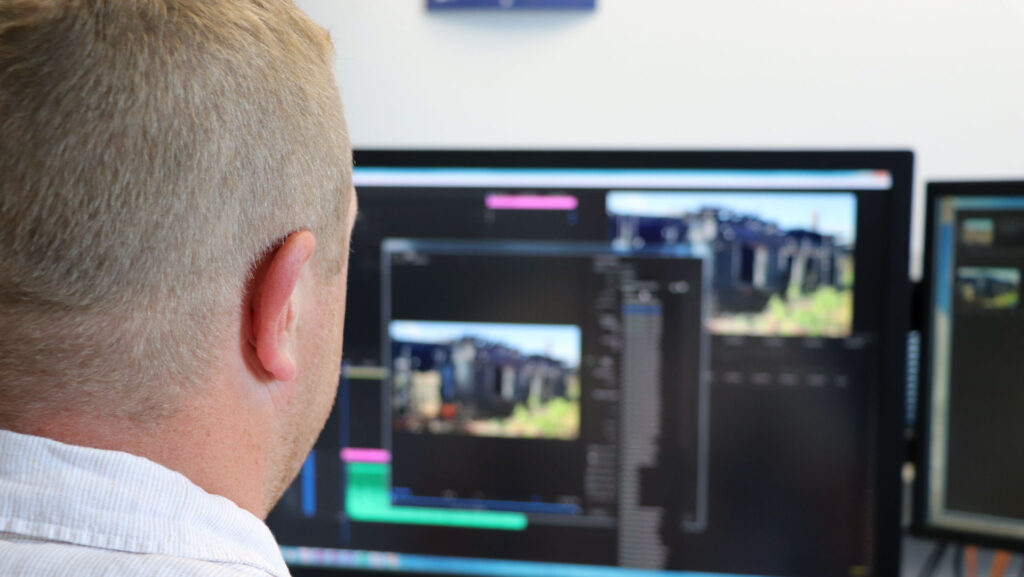
Adobe Premiere Pro for Forensic Media – Beginners
A five-day hands-on class where you can learn how to use Premiere Pro, one of the world’s most popular and robust non-linear editing (NLE) systems, in a forensic media environment. Premiere Pro is not only used as a tool in forensic media processing but also for creative case derivatives and demonstrative samples within ongoing investigations or courtroom proceedings.
Level 3: Scientific Method in Forensic Video Analysis
This online course explores the science behind forensic video analysis and demonstrates how the scientific method is applied within the field. Students will engage in comparative analysis, examining images and videos of unknown objects alongside reference materials to identify distinguishing characteristics. Through a series of practical exercises, participants will follow a structured scientific workflow, gaining hands-on experience in the analysis of image and video evidence. The course also emphasizes the development of clear, accurate scientific analytical reports, preparing participants to communicate their findings confidently in professional and legal settings.